.svg)
Systems Thinking that Saves Lives
Defining the Problem
I led an effort to give more granular control of a pharmacy’s inventory. I championed awareness of our user’s context and holistic experience outside of our software to change a teamwide baked-in assumption that could have cost patients their lives.
Questioning Assumptions
Initially, the team wanted to limit users to only editing how much medicine would be in a drawer at a cabinet, not the total amount of medicine in the cabinet. However, pharmacists have an extreme need for precision, accuracy, and transparency.
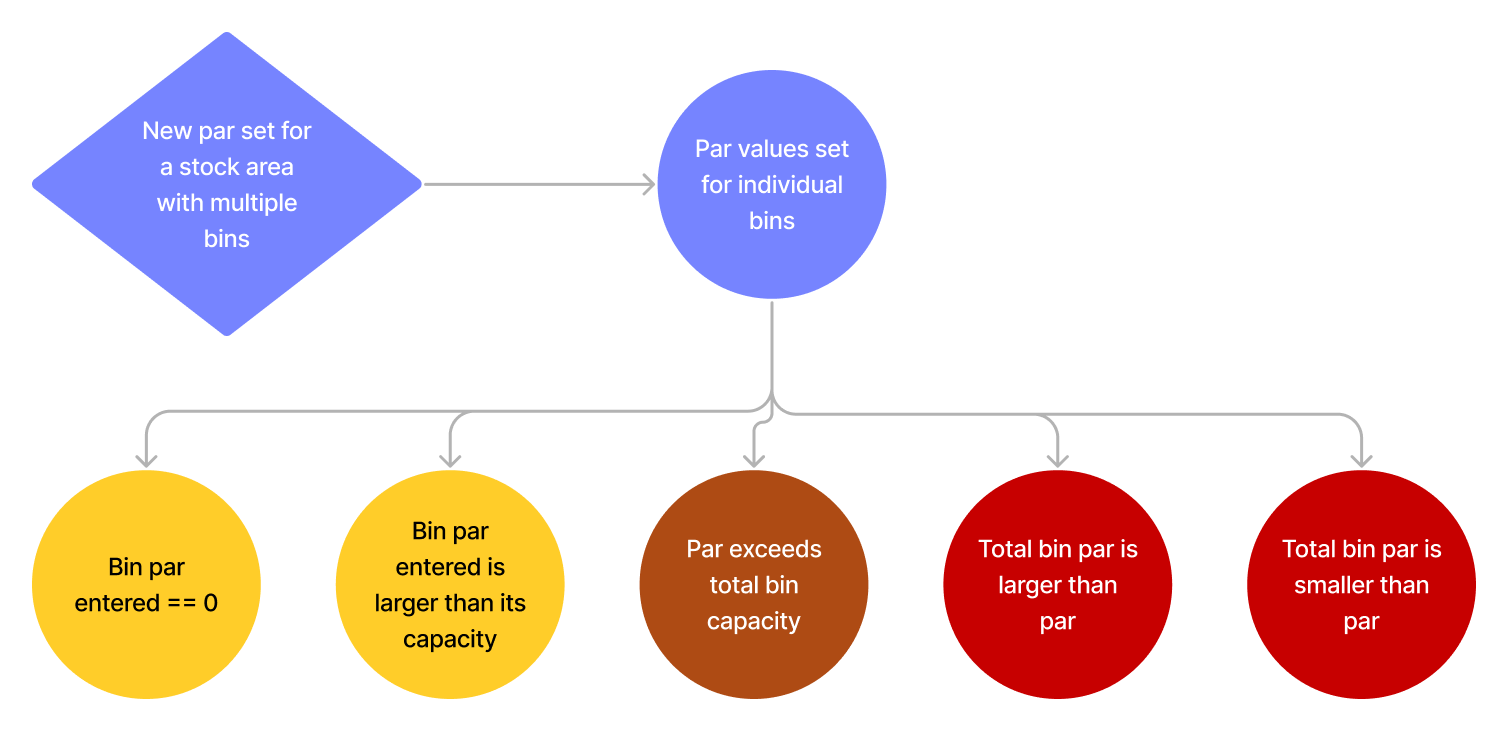
I started mapping the user flows, showing that there were many ways that the user could get into a problem state.
Leveraging Knowledge and Critique
After taking my thoughts and concerns to design critique, seeing what other interaction patterns we use in similar but different situations across our product ecosystem, and considering the entire journey of medicine in the context of a patient's experience at a healthcare facility, my hypothesis became pretty stable. We needed to hold their hand.
After showing my findings to my product and engineering colleagues, they agreed the risk of life-endangering errors was too high.
Iterative Solutions
It took many iterations to find a way to move the bin information up into proximity with the total medicine quantity.
I created new patterns which needed to be built as components in Figma, documented in our design system, and handed off to engineering to be made available across the platform.

Safely Redefining Interaction Patterns
This sidebar was getting out of control, with potentially as many as 20 interactions available in that small and temporary space.

I explored what user flows might be for a stepper-based experience to optimize data display, reduce errors, and enhance functionality in alignment with our long-term vision for the pharmacy ecosystem.
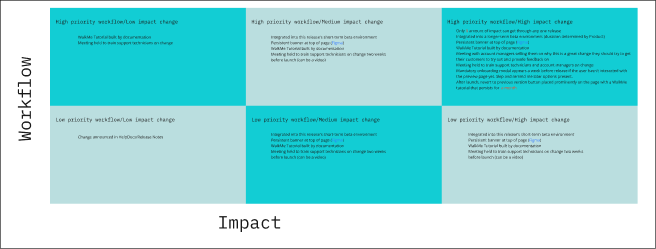
I began early talks with product and design leadership about how to make this change gradually using a change management plan I created and socialized earlier. These gradual changes would allow for a safer and incremental shift toward our target experience.
Desired Outcomes
I initiated collaboration between product and business leaders, defining success criteria for the project:
- Decreased dead space in drawers
- Medicines stocked closer to usage areas
- Increase in product licenses
Given that we had no baseline metrics for these, we determined that engineering would build out the tracking needed in Pendo, and we would establish the post-launch numbers as future baselines. In the meantime, success would be determined qualitatively by our users.
That’s All Folks!
I hope this helped you understand what I can bring to your team. If you have questions or thoughts, get in touch!
I’d love to talk more.
